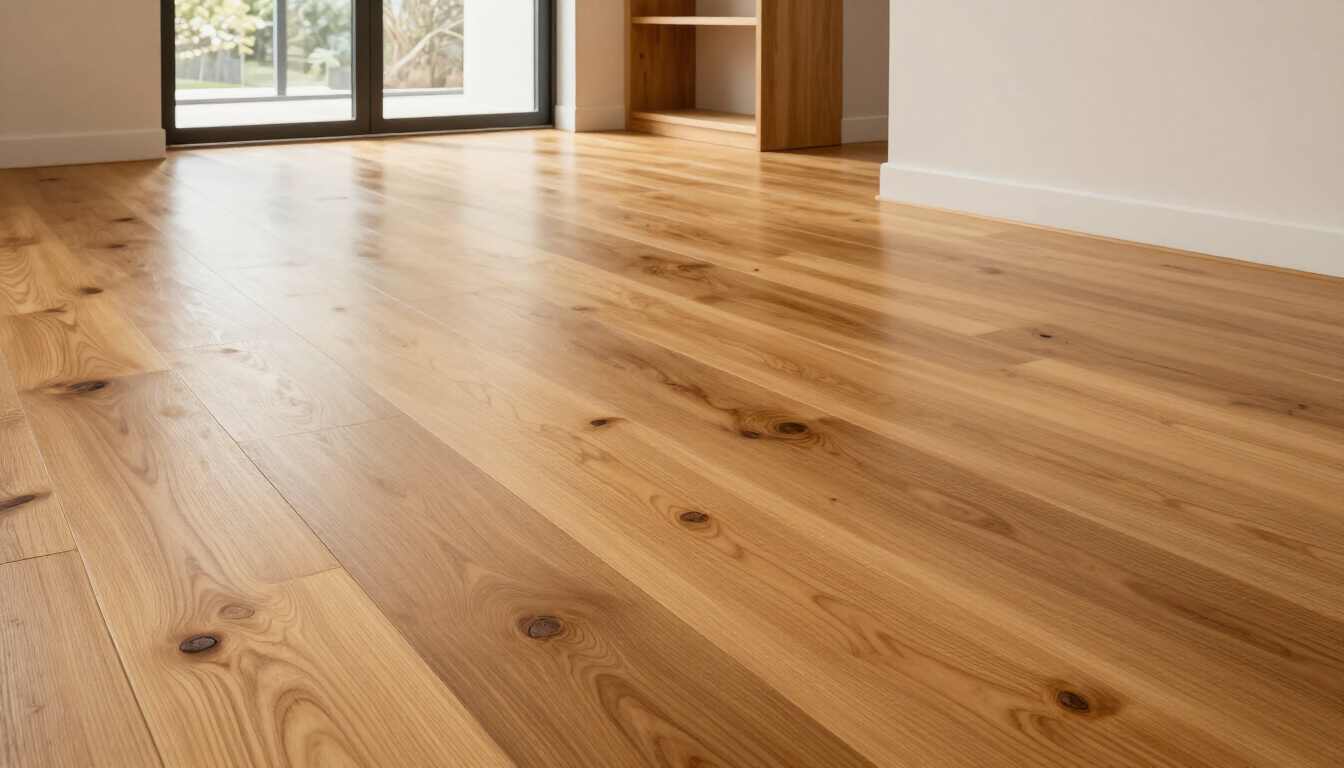
Hardwood Floor Refinishing vs Replacement: 5 Signs
Deciding between hardwood floor refinishing and replacement depends on the wood's thickness and damage depth. If scratches are surface-level and the "wear layer" is thick enough, refinishing restores the shine. However, structural damage, water rot, or thin planks often necessitate a full replacement to ensure floor stability and safety.
For many homeowners in Eagle Point and the wider Rogue Valley, hardwood floors are the heart of the home. They provide warmth, character, and a significant boost to property value. However, over the years, the foot traffic from busy families, the presence of pets, and the shifting climate of Southern Oregon can take a toll. You might notice that your once-vibrant oak or maple floors are looking a bit lacklustre, or perhaps there are deep gouges that a simple cleaning can't fix. This leads to a common dilemma: should you invest in hardwood floor refinishing or is it time to consider a complete hardwood floor installation ?
Understanding the health of your timber is the first step. Wood is a resilient material, but it has its limits. By evaluating the structural integrity and the aesthetic condition of your flooring, you can make an informed decision that saves money and preserves the beauty of your residence. Whether you are in Medford, Central Point, or Shady Cove, local experts can help you determine the best path forward.
Can you refinish your hardwood floors multiple times?
One of the most frequent questions we encounter is how many times a floor can actually withstand the sanding process. Solid hardwood is famous for its longevity, often lasting over a century, but every time you refinish it, a small layer of wood is sanded away. Generally, a solid hardwood floor can be sanded and refinished between four and seven times throughout its life.
However, this depends entirely on the thickness of the "wear layer"—the portion of the wood above the tongue and groove. If your floors have been sanded aggressively in the past, the wood may be too thin to endure another round. For engineered hardwood, the rules are different; because they only have a thin veneer of real wood on top, they can usually only be refinished once or twice, if at all. To check your floor's potential for restoration, you can:
- Remove a floor vent to see the side profile of the wood.
- Measure the thickness of the wood above the tongue.
- Check for exposed nails or staples, which indicate the wood is getting thin.
- Consult a professional to perform a "sanding test" in an inconspicuous area.
- Verify if the wood is solid or engineered before starting any DIY work.

When is it time to replace hardwood flooring entirely?
While we love the process of floor resurfacing to bring old timber back to life, there are certain scenarios where refinishing simply won't suffice. Replacement becomes necessary when the damage goes beyond the surface and begins to affect the structural safety or the core health of the material. In Southern Oregon, we often see issues related to moisture fluctuations that can compromise wood over time.
Replacement is usually the only option if your floors have suffered significant water damage. If you have experienced a major leak or flooding, the wood may have absorbed enough moisture to cause "cupping" or "crowning" that is too severe to sand out. Furthermore, if the subfloor underneath has begun to rot, the entire system must be pulled up to address the underlying issue. In these cases, a fresh hardwood floor installation ensures that your home remains mould-free and structurally sound.
Another reason to replace rather than refinish is if you want to change the species or width of your planks. If you are moving from a traditional thin-strip oak to a modern wide-plank hickory, refinishing won't help you achieve that aesthetic transformation. Replacement allows you to start with a blank canvas, perfectly tailored to your current interior design preferences.
Common signs of severe wood floor damage
Identifying the specific type of wear on your floors can help you decide between a quick fix and a total overhaul. Not all damage is created equal, and some "flaws" actually add character, while others are red flags for failure. Here are five signs that your hardwood might be nearing the end of its functional life:
- Structural Instability: If the boards move, squeak excessively, or feel "spongy" when you walk on them, the subfloor or the planks themselves may be failing.
- Significant Gaps: While small gaps are normal due to seasonal humidity in the Rogue Valley, large, permanent gaps that don't close in the winter suggest the wood has shrunk or shifted permanently.
- Widespread Water Stains: Large black or dark grey patches often indicate that moisture has penetrated deep into the grain, often reaching the subfloor.
- Evidence of Pests: Small holes or sawdust-like material (frass) can be a sign of wood-boring insects which require immediate professional attention.
- Extreme Thinness: If you can see the tongues of the boards or if nails are popping through the surface, there isn't enough material left to sand.
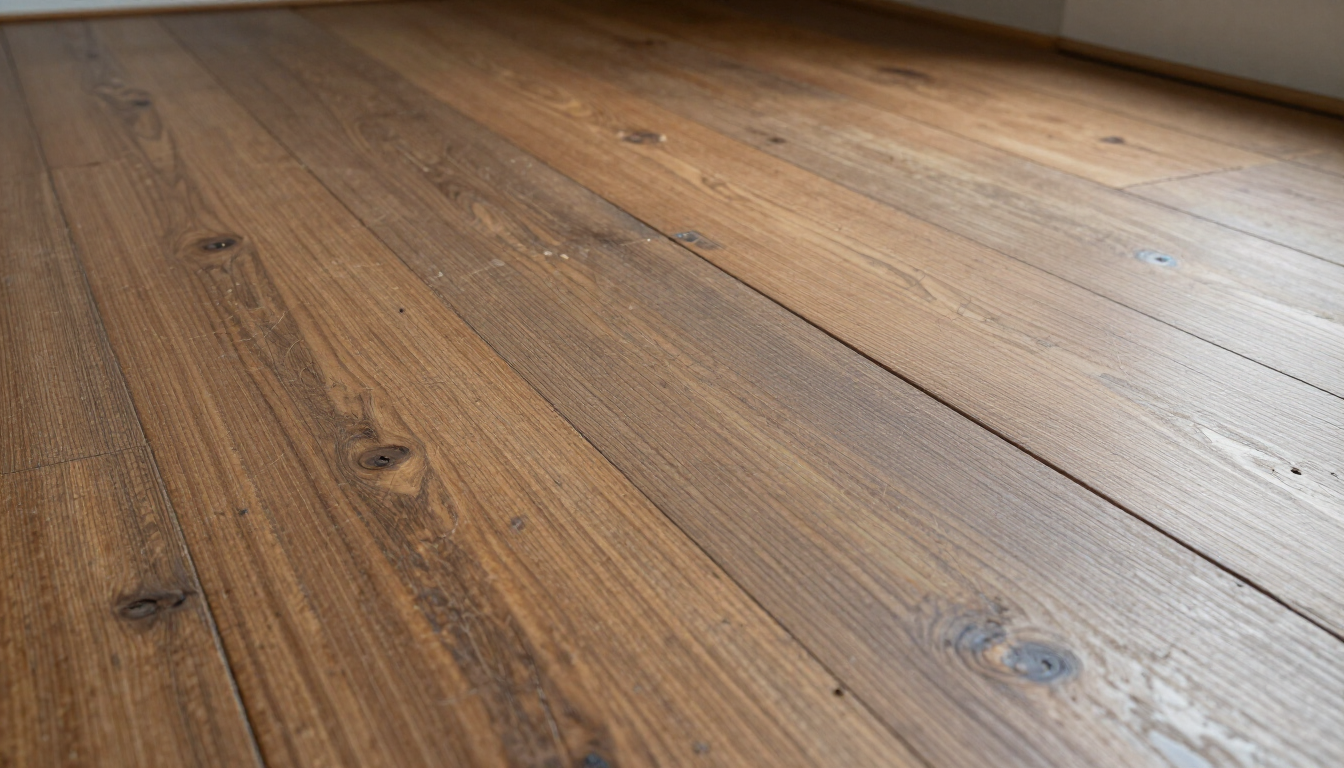
How does the refinishing process work in Southern Oregon?
If your floors are deemed healthy enough for restoration, the process of hardwood floor refinishing is a transformative experience. In our local climate, which spans from the dry heat of Eagle Point summers to the damp winters of the Rogue Valley, timing and technique are everything. The goal is to remove the old, ambered finish and the surface scratches, revealing the fresh, beautiful wood underneath.
The process begins with a thorough cleaning and a series of sanding stages using progressively finer grits. We use dust-containment systems to keep your home as clean as possible during the project. Once the wood is bare, you have the opportunity to choose a new stain colour. Many homeowners in Medford and Central Point are moving away from dark, reddish tones in favour of natural, light finishes or modern greys that brighten up the living space. Finally, several coats of high-quality protective finish—usually water-based or oil-based polyurethane—are applied to seal the wood against future wear.
The cost-benefit of restoration vs new installation
From a financial perspective, refinishing is almost always the more economical choice. Generally, refinishing costs significantly less per square metre than a full replacement because you aren't paying for new raw materials or the intensive labour of tearing out the old floor and preparing the subfloor. For many homeowners in White City or Shady Cove, refinishing provides a high return on investment (ROI) by making the home look brand new for a fraction of the cost.
However, you must consider the long-term value. If you spend money refinishing a floor that only has a few years of life left, you might be throwing good money after bad. A new installation, while more expensive upfront, comes with a fresh warranty and a full wear layer that can last for the next century. It is worth looking at our gallery to see the results of both processes to help visualise what each option could look like in your own home.
Why professional evaluation matters for your home
It can be tempting to try and diagnose your floor's condition yourself, but a professional eye can spot issues that aren't immediately obvious. For example, what looks like a surface stain might actually be a symptom of a slow-leaking pipe under the floorboards. Similarly, what you might think is a "ruined" floor could potentially be saved by a skilled technician using specialised floor resurfacing techniques.
Working with a locally owned, owner-operated business ensures that you get personalised advice tailored to the specific needs of Southern Oregon homes. We understand how the local humidity levels affect wood expansion and contraction in towns like Trail, Sams Valley, and Brownsboro. A professional evaluation provides peace of mind, ensuring that whatever path you choose—refinishing or replacement—is the right one for your budget and your property.
Summary of hardwood floor decision making
Deciding whether to refinish or replace your hardwood floors is a major step in home maintenance. By assessing the thickness of your planks and the extent of any damage, you can determine if a restoration is possible or if a new installation is required. Remember that refinishing is a cost-effective way to revitalise your home, while replacement offers a fresh start for floors that are structurally compromised.
- Refinish if your boards are thick enough and the damage is surface-level.
- Replace if there is significant water damage, rot, or structural movement.
- Consider refinishing to change your floor's colour and shine affordably.
- Choose replacement for a complete aesthetic overhaul and long-term durability.
- Always consult a local expert in the Rogue Valley for an accurate assessment.
If you're ready to bring the beauty back to your home, please contact us for a consultation or visit our FAQ page for more information on our services across Eagle Point and the surrounding communities.